
GLP-1 Medications Are Changing Weight Loss and Diabetes Care
GLP-1 medications such as Ozempic, Wegovy, Mounjaro, and Zepbound have become some of the most talked-about treatments in healthcare. These medications are commonly used for type 2 diabetes, chronic weight management, and metabolic health under the care of a licensed medical provider.
For many patients, GLP-1 therapy can be life-changing. These medications may help improve blood sugar control, support weight loss, and reduce certain cardiometabolic risks when used appropriately. But like any prescription medication, GLP-1 treatment should be monitored by a healthcare professional.
That is where lab testing often becomes an important part of care.
Many providers order blood work before starting a GLP-1 medication, during dose changes, or periodically throughout treatment. These labs can help providers evaluate how the patient is responding, monitor overall health, and identify potential concerns early.
For patients who are busy, elderly, medically complex, or receiving care through a concierge or telehealth provider, going to a lab can be inconvenient. At-home blood draws make the process easier by bringing the collection directly to the patient.

What Is GLP-1 Lab Monitoring?
GLP-1 lab monitoring refers to blood tests ordered by a healthcare provider to help monitor a patient’s health while taking medications such as semaglutide or tirzepatide.
Semaglutide is the active ingredient in Ozempic and Wegovy. Tirzepatide is the active ingredient in Mounjaro and Zepbound. These medications affect appetite, digestion, blood sugar regulation, and metabolic function. Because of this, providers may want to monitor certain lab markers over time.
Lab monitoring does not mean that every patient needs the same tests or the same testing schedule. The right labs depend on the patient’s medical history, diagnosis, current medications, symptoms, and provider’s treatment plan.
For example, a patient taking a GLP-1 medication for type 2 diabetes may require different monitoring than a patient taking a GLP-1 medication for weight loss. A patient with kidney disease, dehydration symptoms, gallbladder symptoms, or multiple medications may also require closer follow-up.
Why Blood Work May Be Important for Patients Taking Ozempic, Wegovy, or Mounjaro
GLP-1 medications can be very effective, but they also affect systems that providers may want to monitor. Blood work gives clinicians objective information that cannot always be seen from weight loss numbers alone.
Common reasons a provider may order labs include:
Monitoring Blood Sugar and A1C
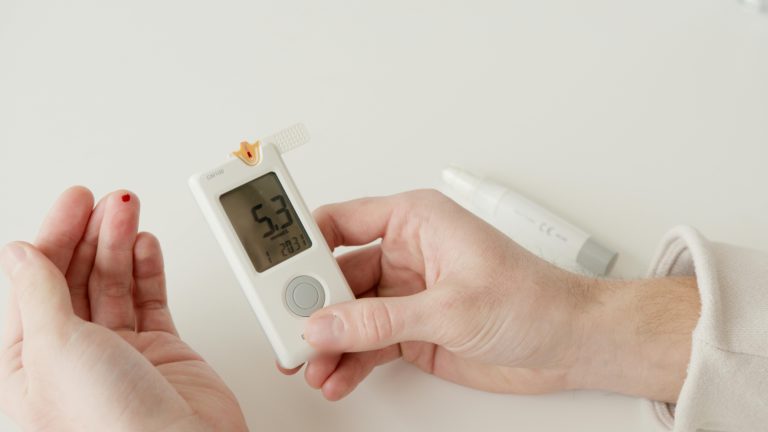
For patients with type 2 diabetes, GLP-1 medications are often used to improve blood sugar control. Providers may order glucose testing and hemoglobin A1C to see how well treatment is working.
A1C gives a picture of average blood sugar levels over the past few months. This can help providers determine whether the medication is effective, whether other diabetes medications need adjustment, or whether the patient may be at risk for low blood sugar.
This is especially important for patients who are also taking insulin or medications that increase insulin production, because combining therapies may increase the risk of hypoglycemia.
Checking Kidney Function
Some patients taking GLP-1 medications experience nausea, vomiting, diarrhea, or reduced fluid intake, especially during the early stages of treatment or after dose increases. If a patient becomes dehydrated, kidney function can be affected.
Providers may order a comprehensive metabolic panel, creatinine, BUN, and eGFR to evaluate kidney function and hydration-related concerns.
This is especially important for patients with a history of kidney disease, older adults, or patients who are experiencing significant gastrointestinal side effects.
Reviewing Liver and Metabolic Health
Many patients taking GLP-1 medications are also managing obesity, fatty liver disease, high cholesterol, diabetes, or other metabolic conditions. Providers may order lab testing to monitor liver enzymes, lipid levels, and other metabolic markers.
These labs can help providers understand the patient’s broader health picture and track improvements over time.
Watching for Dehydration or Electrolyte Imbalances
GLP-1 medications can slow digestion and reduce appetite. Some patients may unintentionally eat or drink much less than usual. Others may experience vomiting or diarrhea.
When this happens, providers may order blood work to evaluate electrolytes such as sodium, potassium, chloride, and carbon dioxide. Electrolyte abnormalities can contribute to weakness, dizziness, fatigue, muscle cramps, or other symptoms.
Evaluating Symptoms That May Require Follow-Up
Certain symptoms should always be discussed with a healthcare provider. These may include severe abdominal pain, persistent vomiting, signs of dehydration, jaundice, unusual fatigue, or symptoms of low blood sugar.
In some cases, providers may order additional labs based on symptoms. For example, pancreatic enzymes or liver-related testing may be considered when clinically appropriate. These decisions should always be made by the treating provider.

Common Lab Tests Providers May Order for GLP-1 Patients
The exact lab panel depends on the provider’s instructions. However, common blood tests for patients on GLP-1 medications may include:
Hemoglobin A1C
Fasting glucose
Comprehensive metabolic panel
Kidney function markers such as creatinine, BUN, and eGFR
Liver enzymes such as AST and ALT
Lipid panel
Electrolytes
Thyroid-related testing, when appropriate
Vitamin levels, when clinically indicated
Pancreatic enzymes, when symptoms suggest the need for evaluation
Patients should not assume they need all of these tests. The provider ordering the labs will determine what is appropriate.
Why At-Home Blood Draws Make GLP-1 Care Easier
GLP-1 care is increasingly being delivered through modern healthcare models, including telehealth, concierge medicine, functional medicine, weight-loss clinics, and direct primary care.
These models are built around convenience, personalization, and access. But lab testing can still create friction.
Patients may need to take time off work, drive to a lab, wait in line, arrange transportation, or delay testing because the process is inconvenient. For elderly patients, homebound patients, busy executives, parents, or patients with limited mobility, getting blood work done can become a barrier to care.
At-home blood draws help solve this problem.
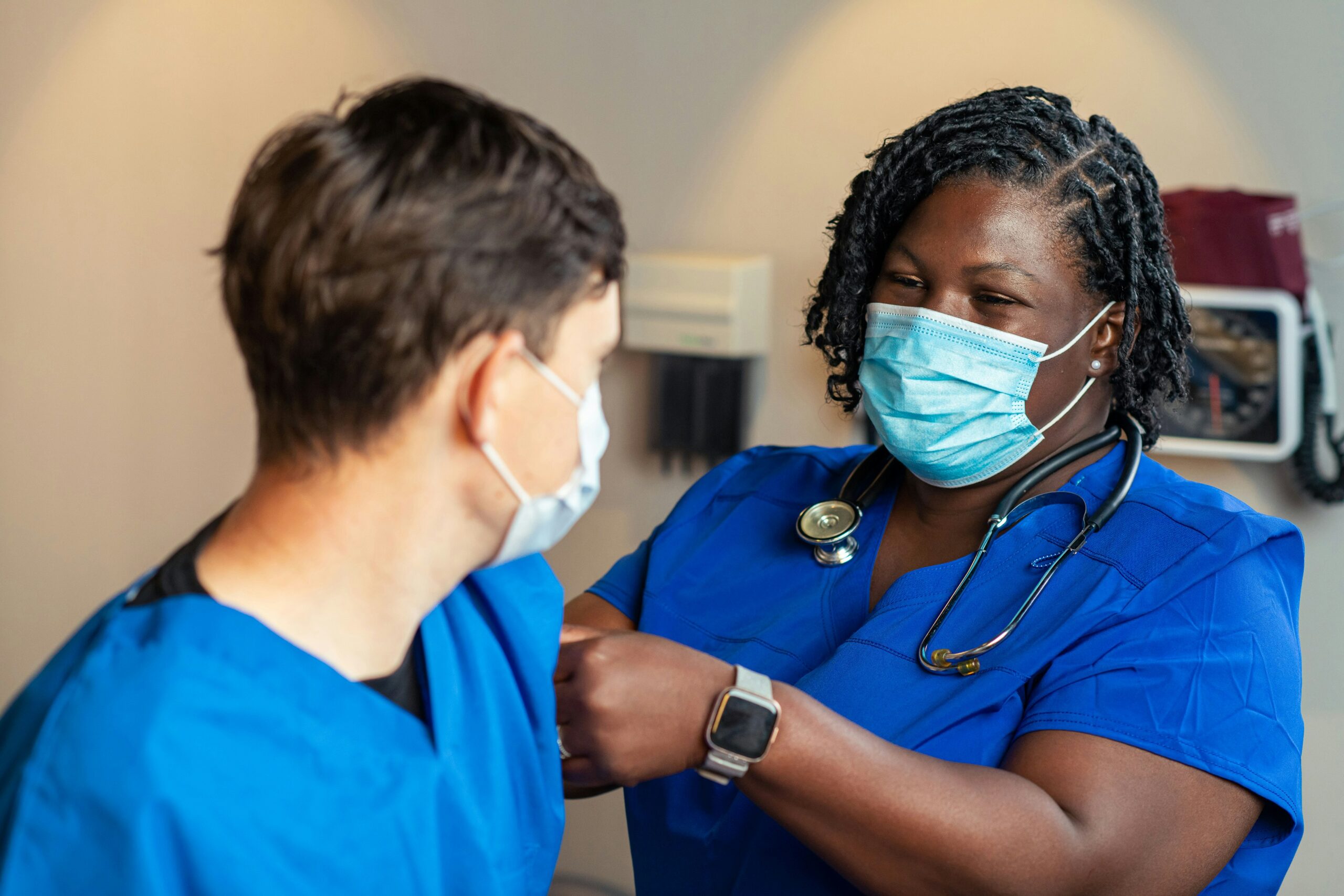
With mobile phlebotomy, a trained phlebotomist visits the patient at home, at work, or another approved location to collect the blood specimens ordered by the provider. The specimens are then handled according to the required instructions and delivered or shipped to the appropriate laboratory when applicable.
This makes lab monitoring easier for:
Patients using GLP-1 medications through telehealth programs
Concierge medicine patients
Busy professionals
Elderly patients
Patients with mobility limitations
Patients who dislike waiting rooms
Weight-loss clinic patients
Provider groups managing patients across multiple locations
Practices that want a more convenient lab collection workflow
How Mobile Phlebotomy Supports GLP-1 Programs
For medical practices and telehealth companies, GLP-1 programs often require ongoing follow-up. Providers may need labs before treatment, during dose titration, or as part of periodic monitoring.
Mobile phlebotomy can help create a smoother patient experience by reducing the friction between the lab order and completed collection.
Instead of asking patients to visit a draw center, providers can coordinate with a mobile collection partner to help patients complete ordered blood work from home.
This can improve:
Patient compliance with lab orders
Convenience for patients
Follow-through on monitoring plans
Access for patients in different geographic areas
The overall experience of a GLP-1 or weight-loss program
For organizations managing many patients, mobile phlebotomy may also help standardize the collection process and make lab completion easier to coordinate.
GLP-1 Monitoring for Telehealth and Concierge Practices
Telehealth has made it easier for patients to access weight-loss and metabolic care, but lab testing still requires a physical specimen collection. That is one of the biggest gaps in virtual care.
A provider can consult with the patient online. A prescription can be sent electronically. Follow-up can happen by video. But blood work still needs to be collected properly.
At-home blood draws help bridge that gap.
For concierge doctors, functional medicine practices, obesity medicine clinics, endocrinology groups, and telehealth weight-loss programs, mobile phlebotomy can provide a more complete care experience.
Patients can receive care from their provider while also completing ordered lab work without visiting a traditional lab draw center.
When Should GLP-1 Patients Ask Their Provider About Blood Work?
Patients taking Ozempic, Wegovy, Mounjaro, Zepbound, or another GLP-1 medication should speak with their healthcare provider about whether lab monitoring is appropriate for them.
Patients may want to ask:
Do I need baseline blood work before starting this medication?
How often should my A1C or glucose be checked?
Should my kidney function be monitored?
Do I need a metabolic panel?
Should I have labs checked after dose increases?
What symptoms should I report immediately?
Can I complete my ordered blood work through an at-home blood draw?
Patients should never stop, start, or change medication based only on general information online. GLP-1 treatment and lab monitoring should be managed by a licensed healthcare professional.
How Speedy Sticks Helps With GLP-1 Lab Monitoring
Speedy Sticks provides mobile phlebotomy and at-home blood draw services for patients, providers, and healthcare organizations.
If a patient has a lab order from their healthcare provider, Speedy Sticks can help coordinate a convenient blood draw at home or another approved location. Our team supports mobile specimen collection for individuals, concierge practices, telehealth companies, weight-loss clinics, and provider groups.
Speedy Sticks does not prescribe GLP-1 medications, diagnose conditions, or determine which lab tests are medically necessary. Instead, we help patients complete the blood work ordered by their licensed provider.
Our role is to make the collection process easier, more convenient, and more accessible.
Benefits of At-Home Blood Draws for GLP-1 Patients
At-home blood draws can offer several advantages for patients on GLP-1 medications:
Convenience
Patients can complete lab work without traveling to a traditional draw center.
Better Follow-Through
When lab testing is easier, patients may be more likely to complete the blood work their provider ordered.
Comfort
Patients can have specimens collected in a familiar environment, which may be helpful for those who feel anxious about blood draws.
Support for Busy Schedules
Patients balancing work, family, and medical appointments can reduce time spent traveling and waiting.
Helpful for Telehealth Care
At-home blood draws help connect virtual care with the physical lab testing required for many treatment plans.
Do all patients on Ozempic, Wegovy, or Mounjaro need blood work?
Not necessarily. Lab testing depends on the patient’s medical history, diagnosis, symptoms, medications, and provider’s treatment plan. Patients should ask their healthcare provider what labs are appropriate.
What blood tests are commonly ordered for GLP-1 patients?
Common labs may include A1C, glucose, comprehensive metabolic panel, kidney function tests, liver enzymes, electrolytes, and lipid testing. Additional labs may be ordered depending on symptoms or medical history.
Can I get GLP-1 blood work done at home?
Yes, if you have a valid lab order from a healthcare provider, mobile phlebotomy may allow you to complete your blood draw at home or another approved location.
Does Speedy Sticks prescribe Ozempic, Wegovy, or Mounjaro?
No. Speedy Sticks does not prescribe medications. We provide mobile phlebotomy and specimen collection services for lab work ordered by licensed healthcare providers.
Can Speedy Sticks work with telehealth GLP-1 programs?
Yes. Speedy Sticks works with healthcare organizations, telehealth companies, concierge practices, and provider groups that need mobile blood draw support for their patients.
How often should GLP-1 patients get labs?
The frequency of lab testing depends on the provider’s recommendations. Some patients may need baseline labs before starting treatment, while others may need periodic monitoring during treatment or after dose changes.
The Bottom Line
GLP-1 medications like Ozempic, Wegovy, Mounjaro, and Zepbound are transforming weight-loss and diabetes care. But successful treatment is not just about the medication itself. Ongoing provider oversight and appropriate lab monitoring may be important parts of a safe and effective care plan.
At-home blood draws make that process easier.
For patients, mobile phlebotomy offers convenience, comfort, and better access. For providers and healthcare organizations, it helps patients complete ordered labs without unnecessary friction.
If you are taking a GLP-1 medication and your provider has ordered blood work, Speedy Sticks can help make the collection process more convenient.
Schedule an At-Home Blood Draw
Need blood work for GLP-1 monitoring, weight-loss care, diabetes management, or routine labs?
Speedy Sticks provides convenient mobile phlebotomy services for patients and healthcare organizations.
Book your at-home blood draw today or contact our team to learn how we support providers, clinics, and telehealth programs.